

solution is usually created to match specific application needs, but customization does not always change the basic category of the product. Understanding the relationship between customized design and speed control functions helps users evaluate drive solutions more clearly.
For industrial equipment manufacturers, it is important to review how a VFD works and what functions define its application range. A suitable evaluation process can help businesses select products according to actual operating requirements instead of only focusing on customization options.
Understanding the Role of Custom VFD Design
Customization in industrial drives usually refers to adjustments made for specific projects. These adjustments may include parameter settings, communication functions, control logic, or integration requirements. The purpose is to help the drive fit better with the equipment system.
A customized product can still belong to its original technical category. The key point is not whether the product has been modified, but whether it provides the functions needed for the application.
For example, a drive designed to regulate motor speed through frequency adjustment can still be classified according to its speed control capability after customization. The technical functions remain the main reference during evaluation.
How Speed Control Functions Define Classification
A VFD controls motor operation by changing output frequency and voltage. This process allows users to adjust motor speed based on different working conditions. Speed regulation, torque response, and control accuracy are important factors when reviewing drive performance.
The concept of a speed control inverter is mainly related to these functional capabilities. If a customized drive provides variable speed adjustment and suitable motor control methods, it can support speed control applications.
Customization itself does not automatically decide classification. Users should review control performance, operating conditions, and equipment requirements before making technical judgments.
Exploring Intelligent Drive Development Trends
Modern industrial systems require more flexible control solutions as equipment becomes more connected and adaptable. A smart electric drive combines control functions with intelligent management approaches to support changing application needs.
This development focuses on improving system interaction, operation monitoring, and configuration flexibility. It does not simply refer to adding customized features but involves how the drive works within the complete equipment environment.
When selecting a drive solution, businesses can review factors such as motor type, load changes, and communication requirements. These details help determine whether a product matches the expected application.
Introducing FR30 Series High Performance Inverter
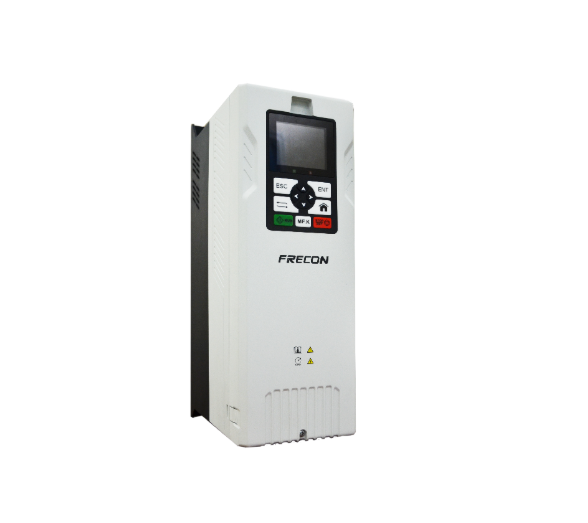
We develop inverter solutions based on practical industrial requirements and application experience. Our FR30 Series High Performance Inverter is designed for users who need flexible control options and stable performance in industrial environments.
The FR30 series features built-in VC, SVC, and VF controls, allowing users to select different control methods according to equipment conditions. It is positioned as a full-featured inverter for mid-to-high-end applications.
With high performance, high quality, and high power density design, the FR30 series supports applications requiring speed control accuracy, torque response speed, and low-frequency output characteristics. Its flexible design allows it to be applied in different industrial scenarios.
Comparing Customized and Standard Drive Solutions
Standard drives are generally developed with common functions for various applications, while customized drives focus on specific project requirements. The difference usually appears in configuration, integration, and parameter adjustment.
A customized frecon vfd should still be evaluated through its core functions. The ability to provide stable frequency conversion and motor control determines how it can be used in practical systems.
For equipment developers, reviewing application conditions before selecting a drive can reduce unnecessary adjustments later. Important factors include operating environment, load characteristics, required speed range, and future expansion plans.
Reviewing Drive Selection Through Application Needs
Different industrial systems have different control expectations. Some machines require accurate speed changes, while others may focus on smooth operation and convenient integration.
We combine OBM experience with ODM capabilities to support partners with different project requirements. Our approach includes product development, technical communication, and customization support while keeping the focus on practical application needs.
A suitable drive selection process should consider both current operation and future equipment development. This helps users understand whether a customized solution provides the functions required for their systems.
Evaluating Customization Beyond Product Labels
A customized VFD should not be judged only by its customized features. Technical specifications, control methods, and application performance provide a clearer understanding of its classification.
A frecon vfd can support different industrial applications when its functions match equipment requirements. Reviewing product structure and control capability helps users identify suitable solutions more efficiently.
We continue to improve drive solutions by focusing on industrial applications and customer feedback. Through practical design and flexible support, we help partners evaluate drive options according to their project conditions.
Clarifying the Relationship Between Customization and Speed Control
A customized VFD is not automatically classified as a speed control inverter. The classification depends on whether the drive provides variable speed regulation, suitable control methods, and related performance features. Through our experience in industrial drive applications, FRECON focuses on developing inverter solutions that can be configured according to different equipment requirements.
Understanding this relationship allows users to make more informed choices during equipment planning. By reviewing technical requirements, control functions, and application goals, businesses can select solutions that better match their operational needs. Our team continues to support customers with practical drive options that connect customization needs with suitable control performance.