

Textile production requires stable machine operation, especially during spinning, weaving, and finishing processes. Motor control affects speed adjustment, torque response, and equipment coordination. Many factories review drive systems when production requirements change. A 3 phase vfd can support flexible motor operation, while different control methods influence how machines respond during daily use.
Selecting a suitable drive solution requires attention to machine structure, load conditions, and future maintenance plans. Textile mills often compare traditional speed control with more advanced control technologies to understand which option fits their processes and production environment.
Why Motor Control Requirements Are Changing in Textile Production
Textile machines often run through different working stages. Acceleration, deceleration, and constant speed operation may create different demands on motors. A drive system needs to handle these changes while supporting smooth operation.
Standard drive systems can adjust motor speed, but some textile equipment needs better control during load changes. This is especially relevant for machines with frequent speed adjustments or sensitive production processes.
The evaluation of an industrial vfd solution usually involves factors such as motor performance, energy management, installation conditions, and communication needs. These factors help users understand whether an upgrade can support current production goals.
Comparing Speed Control Methods for Textile Applications
Traditional frequency control focuses on changing motor speed through frequency adjustment. This approach can meet many basic requirements, but some textile equipment needs better control during load changes and different operation stages.
A vector control inverter uses control methods that provide more detailed management of motor performance. It can help users review torque response and speed accuracy when machines operate under changing conditions.
Textile mills may consider this technology for spinning machines, winding equipment, and other applications where motor behavior affects product consistency. The selection process should be based on actual machine requirements rather than only focusing on drive specifications.
We focus on developing drive products that match practical industrial applications. FRECON provides inverter solutions designed for different equipment requirements, including textile machinery where stable operation and flexible configuration are important considerations.
Features That Support Practical Drive Integration
When selecting a drive for textile equipment, users often review installation flexibility and system compatibility. Control functions, protection features, and maintenance convenience can influence the overall application experience.
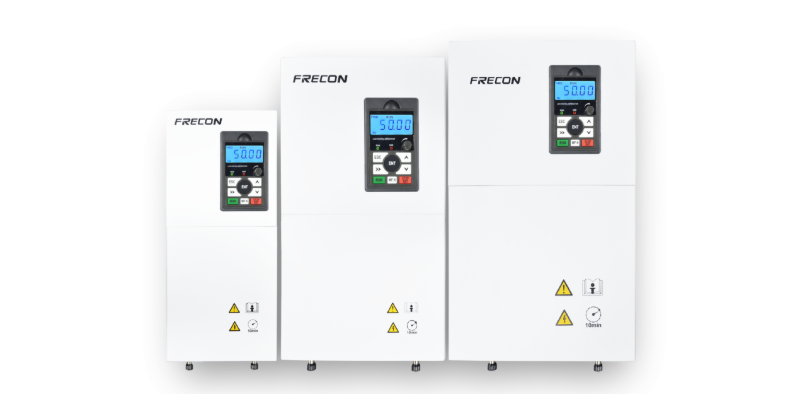
Our FR20 Series General Vector Inverter includes several design features for industrial use. It is equipped with a built-in DC reactor, standard C3 filter, built-in brake unit, and built-in STO function. The series also supports common DC bus solutions and parameter copy keyboards.
The product design also considers different installation environments. Independent air duct design and through-wall installation support flexible equipment layouts. An optional USB port can be used for upgrade programs and host computer connections based on project requirements.
These functions allow engineers to consider more details during equipment planning. For example, parameter copy support can simplify setup work when multiple machines require similar settings. Installation options can also help users arrange control systems according to factory space limitations.
Reviewing Long-Term Operation Needs Before Upgrading
Before replacing a drive system, textile mills usually review machine type, motor specifications, and production conditions. A detailed evaluation helps companies understand whether new control functions match their actual processes. It also allows engineers to identify possible integration challenges before making equipment adjustments.
An industrial vfd upgrade may involve more than replacing hardware. Users also need to consider installation space, operation settings, maintenance processes, and compatibility with existing systems. These factors influence how smoothly the new drive can work with current production equipment.
We continue to support partners by combining product development experience with application communication. FRECON works with customers to understand project requirements and provide suitable drive options for different industrial scenarios.
The upgrade process also includes reviewing operator requirements and service plans. Clear parameter management, practical installation methods, and proper system testing can help factories maintain stable operation after drive replacement. This preparation also supports easier troubleshooting and future system adjustments.
Building More Flexible Textile Drive Systems
Textile equipment development requires attention to stable operation and production flexibility. Drive technology continues to change as manufacturers look for practical ways to improve machine control and system management.
A vector control inverter can provide another option for textile mills that need more precise motor control compared with basic speed adjustment methods. Understanding application requirements helps users select solutions that fit their equipment conditions.
From motor response to installation design, every factor influences the final system performance. By reviewing technical needs carefully, textile businesses can make clearer decisions when planning drive upgrades and improving production processes.
We believe effective drive selection starts with understanding real production challenges. Combining application knowledge with suitable control technology allows textile manufacturers to plan systems that support future adjustments and daily operation needs.
Future upgrades depend on clear understanding of production goals and equipment conditions. We review application details, control requirements, and system structure when supporting textile projects. This approach helps partners evaluate drive solutions with practical information instead of only comparing product functions.