

Pressure control systems often face changing loads, flow variations, and different operating conditions during daily production. Stable pressure regulation depends on accurate feedback, suitable control methods, and proper drive selection. When users review whether an upgrade can improve system performance, they usually focus on control response, motor behavior, and long-term operation.
In this article, we discuss how a pid inverter can support pressure loop management in demanding applications. By understanding control principles and drive functions, engineers can evaluate whether a new solution matches their equipment requirements.
Pressure Loop Considerations for Variable Load Applications
Pressure loops are common in pumps, compressors, and process equipment where output needs to follow changing demand. Traditional fixed-speed operation may create pressure fluctuations because motors cannot adjust their speed according to real-time conditions.
A stable pressure loop requires coordination between sensors, controllers, and motors. The control system collects feedback signals and adjusts output to maintain the target pressure level. This process depends on response speed and control accuracy.
For applications with frequent load changes, a suitable heavy duty vfd can help manage motor operation more effectively. It allows equipment to respond to different working conditions while maintaining smoother speed adjustment during operation.
The Role of PID Control in Maintaining System Stability
PID control is widely used in industrial automation because it can adjust output according to feedback differences. The proportional, integral, and derivative functions work together to reduce deviations between the actual value and the set value.
When a pid inverter is applied in a pressure loop, it can automatically regulate motor speed based on pressure changes. This approach helps reduce manual adjustments and supports more consistent system operation.
However, the final performance also depends on system design, sensor quality, motor characteristics, and parameter settings. Engineers need to review the complete application environment before selecting an inverter for a specific project.
How Vector Control Supports Motor Response
Besides PID functions, motor control methods also influence pressure stability. A drive with accurate speed and torque control can improve motor response when loads change suddenly or when equipment requires faster adjustment.
A vector control inverter uses feedback and control algorithms to manage motor performance with better dynamic response. This type of control is often considered for applications that require stable operation under different load conditions.
We provide industrial drive solutions designed around practical application needs. FRECON develops inverter products for different industrial scenarios, including models that combine control functions with flexible operation settings. The focus is on helping users match drive features with equipment requirements.
Product Functions for Demanding Motor Applications
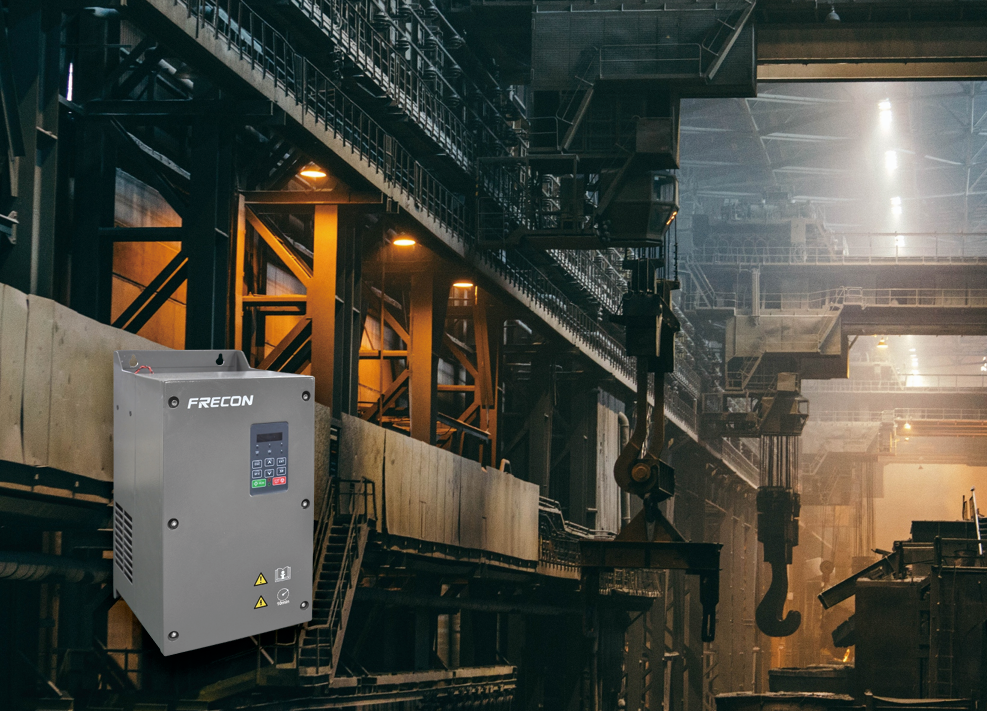
The FR380 Series High performance vector control inverter includes functions designed for more stable motor operation. Its Speed Tracking Function allows the inverter to make the motor start smoothly according to the current operation direction and speed of the motor during fast start conditions.
The series also includes Oscillation Suppression Function. When motor oscillation is detected, the system can automatically trim output voltage and frequency to help the motor run more smoothly. These functions support applications where operating conditions may change during use.
For pressure systems, these functions can work together with control settings to improve overall operation management. Users still need to configure parameters based on motor type, load characteristics, and process requirements.
Evaluating Upgrades for Heavy Duty Equipment
Before upgrading an existing system, companies should review several factors, including current pressure fluctuations, motor capacity, installation conditions, and expected operating changes. A drive replacement should match the actual needs of the equipment rather than only focusing on individual functions.
A heavy duty vfd is often selected for applications that involve continuous operation, higher loads, or more demanding working environments. Proper evaluation helps users understand whether the new inverter can support their process goals.
We continue to improve our inverter technologies through application experience and product development. FRECON works with industrial partners to provide drive solutions with different control options, supporting equipment upgrades in various fields.
Reviewing System Factors Before Implementation
Pressure control projects also require attention to installation details and daily operation patterns. Engineers may review pipeline conditions, sensor placement, motor ratings, and communication settings before making changes.
A clear understanding of operating data helps identify suitable control parameters. Testing and adjustment after installation are also important steps because each system has different response characteristics.
By combining technical evaluation with practical experience, users can build a control system that fits their production environment. This approach supports steady operation and helps reduce unnecessary adjustments during routine use.
Making the Right Choice for Pressure Control Systems
Upgrading an inverter can improve pressure loop management when the selected functions match the application conditions. PID adjustment, motor control performance, and system configuration all influence the final results.
A pressure control upgrade is not only about replacing equipment. It requires understanding the relationship between feedback signals, motor response, and operating requirements. With proper evaluation, users can develop a more suitable control strategy for future operation.
We believe practical selection and correct configuration are important parts of industrial automation planning. Careful maintenance and regular reviews can further support reliable equipment performance over extended operating periods. By reviewing control needs carefully, companies can choose inverter solutions that support stable processes and efficient equipment management.