
Solar pumping projects require careful planning because energy availability and water demand can change throughout the operation process. For agricultural irrigation, remote water supply, and industrial applications, the control method affects how pumps use solar power and respond to different conditions.
The solar water pumping system connects photovoltaic energy, motors, and control equipment to support water delivery. We focus on helping partners understand the working principles, selection factors, and application considerations of solar pump control technologies before developing their projects.
The Importance of Solar Pump Controllers
Solar pumping systems involve several components that work together to convert sunlight into mechanical energy. The controller manages the connection between solar power input and pump operation, allowing the system to adjust according to available energy conditions.
A suitable control solution helps users review motor performance, operating settings, and protection functions. These factors are important because solar input can vary during different times of the day and under different weather conditions.
The solar water pump controller plays an important role in system coordination. It helps manage power conversion, motor control, and operational adjustments while supporting different pumping requirements in practical applications.
Key Points for Choosing Control Equipment
Selecting control equipment requires attention to several technical factors. Motor type, pump capacity, solar input, and installation environment should be evaluated together before a project begins.
The high-frequency solar pump inverter is one option used in solar pumping applications where users need flexible speed control and efficient power management. Reviewing frequency control, response performance, and system compatibility can help users understand whether the equipment matches their requirements.
Protection functions and monitoring options are also important during selection. These features allow project teams to review operating conditions, identify possible issues, and arrange maintenance plans more effectively.
How Inverter Technology Supports Pump Operation
Inverter technology helps connect renewable energy with pump systems by adjusting electrical output according to operating needs. This process allows motors to work under different conditions while maintaining suitable control performance.
We develop inverter solutions based on practical industrial applications and customer requirements. Our focus includes improving system flexibility, supporting different motor types, and providing options for various solar pumping projects.
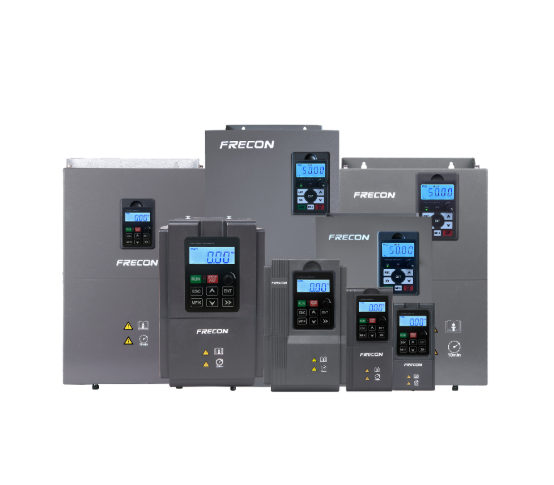
The PV500 Series Solar Pump Inverter from FRECON is designed for demanding industrial applications. The series supports both asynchronous motors and permanent magnet synchronous motors, providing speed and torque control options for different pump configurations.
Matching System Design with Application Needs
Different projects require different pumping strategies. Agricultural irrigation may focus on daily water schedules, while remote supply projects may require stable operation in areas with limited power resources.
When planning a solar water pumping system, users should consider water source conditions, pumping distance, expected flow requirements, and local sunlight availability. These details influence equipment selection and system design.
Motor compatibility is another important factor. The PV500 Series supports asynchronous and PMSM motor applications, giving users more choices when reviewing pump and motor combinations for different environments.
Improving Project Planning Through Technical Evaluation
Before installation, project teams usually review technical requirements and operation goals. A complete evaluation process can include checking power conditions, equipment specifications, and future maintenance needs.
The solar water pump controller selection should also consider communication functions, protection settings, and system expansion possibilities. These elements help users create a more organized management process after installation.
We provide inverter products and technical support based on different application scenarios. FRECON works with partners to review project conditions and develop suitable configurations that align with their operational requirements.
Building Practical Solar Pumping Solutions
Solar pump projects are not only about selecting individual components. The relationship between solar panels, controllers, motors, and pumps affects the overall system performance and daily operation experience.
The high-frequency solar pump inverter technology can be evaluated together with pump specifications and energy conditions. A complete review allows users to understand how each part contributes to system operation.
For businesses planning solar pumping projects, equipment selection should balance technical requirements and long-term operation considerations. Proper preparation helps reduce uncertainty during installation and later use.
Considering Long-Term Operation Factors
Maintenance planning is an important part of solar pumping system management. Users should review installation conditions, operating environments, and service requirements before choosing equipment.
Regular monitoring of system information helps teams understand performance changes during operation. This practice supports timely adjustments and provides useful references for future system optimization.
Control technology continues to develop as solar applications expand across different industries. We continue to improve our inverter solutions while considering practical needs from agricultural, industrial, and remote pumping projects.
Making Informed Decisions for Solar Pump Projects
Choosing the right controller requires an understanding of energy conditions, pump characteristics, and project objectives. A clear evaluation process helps users build systems that fit their actual application environments.
Solar pump control is an important connection between renewable energy and water management. By reviewing equipment compatibility, operating requirements, and future needs, businesses can create more suitable pumping plans.
With experience in inverter development and application support, we at FRECON continue working with partners on solar pumping solutions. The goal is to provide practical control options that support reliable system planning and long-term project development.