

Agricultural water management requires stable pumping systems that can adapt to different field conditions. As solar energy becomes more common in farming applications, users need to understand how power control technology affects water delivery performance. Suitable drive equipment can help connect solar energy with pumps and support more flexible irrigation planning.
Solar pumping systems involve several factors, including sunlight availability, motor selection, water demand, and operating conditions. Understanding these elements helps farmers and project planners make better decisions when developing irrigation solutions.
In practical projects, users also need to consider installation location, maintenance requirements, and future expansion possibilities. A clear evaluation process helps balance energy utilization, pumping performance, and daily irrigation needs. The solar pump vfd technology provides a practical approach by combining solar power management with pump speed control for different irrigation scenarios.
Key Factors in Solar Pump System Selection
Farm irrigation requirements can change according to crop types, seasons, and water sources. A pumping system needs to match these conditions instead of maintaining a fixed operating mode. Variable frequency technology allows users to adjust pump speed based on actual water delivery needs.
When designing a solar-powered pumping project, users usually review pump capacity, motor compatibility, and daily operating hours. These factors influence system performance and help determine whether the equipment can support long-term agricultural applications.
Solar energy output also changes during the day. For this reason, many agricultural projects consider solar inverter solutions that can manage power conversion and motor control together. A suitable system design helps improve the connection between photovoltaic power and irrigation equipment.
Why MPPT Control Matters for Agriculture
Solar power generation depends on environmental conditions such as sunlight intensity and weather changes. A control system with maximum power point tracking can adjust operation according to available solar energy and help maintain stable pump performance.
The use of mppt vfd technology allows the inverter to track solar input and regulate motor speed. This function helps pumping systems respond to different energy conditions while supporting practical water delivery requirements in farms and agricultural facilities.
Besides energy management, protection functions are also important. Overload protection, monitoring features, and stable control methods help users manage equipment operation more effectively during daily irrigation activities.
Solar Pump Systems for Different Applications
Different agricultural environments require different pumping approaches. Greenhouses, open farmland, and remote irrigation areas may have different water flow requirements and installation conditions. A suitable inverter needs to support these differences while maintaining reliable control.
Motor type is another factor that affects system selection. Some applications use different motor structures depending on project needs. Flexible inverter compatibility can help users create systems that match specific pump designs.
We develop inverter products based on practical application requirements and market feedback. Our focus is on providing control technologies that support solar pumping projects while considering installation conditions and user operation habits.
Exploring PV150A Series Solar Pump Inverter Features
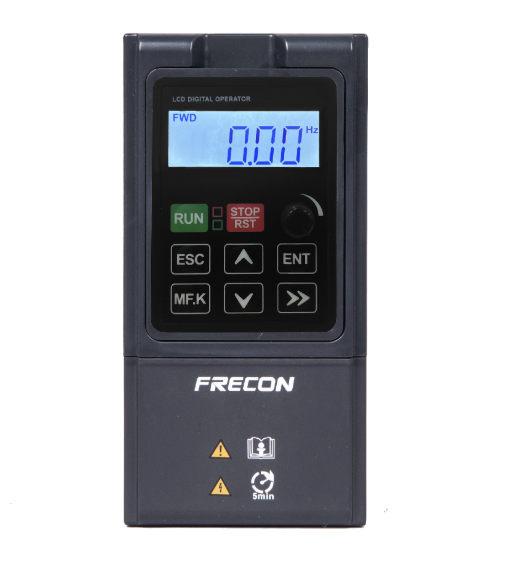
The Pump Inverter PV150A Series is designed for solar water pumping applications. The PV150A series is an advanced MPPT VFD solar pump inverter of FRECON Solar PV Inverter. It provides a stable hybrid supply, built-in protection, advanced MPPT algorithms, and no battery operation.
The series supports applications with AM, PMSM, and BLDC motors. These functions allow the inverter to work with different motor types used in water pumping projects. The design also focuses on improving water delivery management through solar energy control.
As one of the experienced solar inverter manufacturers, we provide products that combine inverter technology with application requirements. The PV150A Series is developed for users who need solar pumping equipment with practical control functions and flexible system configurations.
Improving Irrigation Efficiency Through Better Control
Modern farming requires more attention to energy use and water management. Solar pumping systems provide an option for areas where photovoltaic power can support irrigation operations. However, proper equipment selection remains important for achieving suitable system performance.
The solar pump vfd approach combines solar power management with pump speed regulation. By adjusting operation according to available energy and water requirements, the system can support more organized irrigation processes. It also helps users review pump operation from a wider perspective, including energy conditions, water demand changes, and long-term maintenance planning.
We continue to improve our inverter solutions based on different application environments. FRECON provides solar drive products that support agricultural and industrial projects with flexible control methods and practical system designs. Our development process focuses on application needs, helping partners evaluate suitable configurations for different solar pumping projects and operating conditions.
Planning Future Solar Water Delivery Systems
Agricultural water delivery depends on the relationship between energy sources, pumps, and control equipment. A complete evaluation of system requirements can help users select suitable solutions for different farming conditions.
From solar input management to motor control, each part of the system influences daily operation. Reviewing factors such as installation environment, maintenance needs, and future expansion plans allows users to build more practical irrigation systems.
With continuous development of solar technology, farms can explore more flexible approaches to water management. Understanding inverter functions and application requirements helps users create systems that match their operational goals while supporting efficient resource planning.