
Solar pumping systems are often installed in open areas such as farms, water stations, and remote facilities. These locations may experience changing weather conditions, including lightning activity and sudden voltage changes. For system planners, understanding how inverter design responds to these conditions helps improve equipment selection, project planning, and long-term system management.
Lightning risk does not only involve direct strikes. Induced surges from nearby lightning events may also affect electrical components. Reviewing protection functions, installation conditions, and system management features can help users build more suitable solar pumping solutions with a hybrid solar pump inverter that matches different application requirements.
Understanding Lightning Impact on Solar Pump Systems
Lightning-related electrical surges can influence solar equipment through PV modules, cables, and connected devices. Since solar pumping systems usually operate outdoors for long periods, inverter design needs to consider environmental changes and electrical safety requirements.
A suitable inverter should combine power conversion with protection functions. For projects in areas with frequent storms, users usually review circuit protection, enclosure design, and system structure before selecting equipment.
The role of a high efficiency solar inverter is not only related to energy conversion. System stability, protection functions, and compatibility with different application conditions are also important factors during project evaluation.
How Protection Design Supports Outdoor Applications
Outdoor installation requires equipment to handle dust, moisture, temperature changes, and possible electrical disturbances. A suitable enclosure design can help protect internal components and support stable operation in different environments.
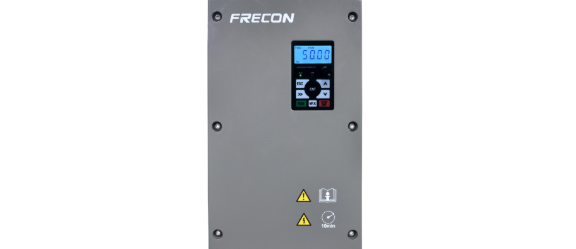
We focus on developing inverter solutions that consider practical application conditions. The PV380 Series Solar pump inverter uses an IP65 design for outdoor installation and supports protection functions including over-current, over-voltage, phase loss, short circuit, and over-temperature protection.
The built-in anti-reverse diode helps prevent current from the AC/DC bus from flowing back to PV modules. This function supports safer operation of the solar input system and provides additional protection during daily use.
Reviewing Hybrid Energy Management Features
Solar pumping systems may operate under changing sunlight conditions. Flexible energy input and automatic management functions can help users maintain suitable operation when solar availability changes throughout the day.
A hybrid solar pump inverter can support solar power DC input and power grid AC input. The PV380 series solar pump inverter supports DC/AC automatic switching, allowing users to select energy sources according to actual system conditions.
The PV380 Series Solar pump inverter applies advanced MPPT algorithms, with efficiency reaching 99%. It supports AM, PMSM, and other motor types, helping different pump systems match suitable motor requirements.
Improving Operation Through Remote Monitoring
For distributed solar pumping projects, operation management is an important part of system planning. Remote monitoring allows users to review equipment status and understand operation conditions without frequent site visits.
The PV380 series solar pump inverter supports optional 4G/WIFI modules for real-time remote monitoring and operation through APP and WEB platforms. These functions provide more convenient management options for different project environments.
Selecting an outdoor solar inverter also requires attention to temperature conditions. The PV380 Series Solar pump inverter supports an operating temperature range from 10°C to 60°C, making it suitable for various outdoor installation scenarios.
Balancing Safety and System Performance
Lightning protection is only one part of solar system design. Users also need to consider motor compatibility, installation methods, maintenance requirements, and monitoring options when planning a solar pumping project.
We continue to improve our inverter solutions based on application experience and customer requirements. FRECON develops products that combine protection features, flexible input options, and practical control functions for different solar applications.
For distributors and system integrators, understanding technical details before installation can support clearer project planning. A complete evaluation process helps reduce unexpected adjustments during operation.
Considering Factors Before Solar Inverter Selection
Different application sites have different energy and water management needs. Agricultural irrigation systems may focus on stable pumping schedules, while remote water projects may require flexible energy use and convenient monitoring.
When choosing a hybrid solar pump inverter, buyers should review motor type, power source conditions, communication requirements, and environmental factors. These details help create a system structure that matches actual project goals.
Maintenance planning is also important for outdoor equipment. Checking cables, connections, and operating records regularly can help identify changes in system performance and support long-term management.
Preparing Solar Pump Systems for Future Needs
Solar pumping projects require careful planning from installation conditions to daily operation. Lightning risks, environmental exposure, and energy management functions all influence inverter selection and system reliability.
A suitable outdoor solar inverter should match project requirements while supporting safe operation in changing environments. With practical evaluation of protection features and application conditions, users can develop solar pumping systems that fit their operational needs.
FRECON continues to explore inverter technologies for different industrial and solar applications. By combining protection design, monitoring functions, and flexible energy management, we support partners in creating more practical solar solutions.