

Industrial automation systems are becoming more flexible as equipment requirements continue to change. Different applications need suitable speed control, operation settings, and system compatibility. This development has encouraged inverter technology to move from separate functional modules toward more integrated designs. With this trend, a multifunctional inverter is gaining attention as a solution that combines different control functions within one platform while supporting various industrial application needs.
For industrial equipment manufacturers and users, understanding this change helps with product planning and system upgrades. We explore how modular inverter structures are evolving and how integrated designs can support different application requirements while maintaining practical control performance.
By reviewing factors such as system flexibility, control methods, and future expansion possibilities, businesses can make clearer decisions when selecting inverter solutions for modern equipment.
Understanding the Change From Modular Structures to Integrated Designs
Traditional inverter systems often rely on different modules to complete specific functions. One unit may handle speed adjustment, while another manages communication or additional control requirements. This structure provides flexibility but may increase installation steps and system management work.
With changing industrial requirements, users are paying more attention to simplified equipment structures. A general-purpose inverter needs to support various application conditions while keeping operation settings practical. This trend has encouraged manufacturers to develop products with more integrated functions.
The transition from modular systems does not mean that separate modules are no longer useful. Different industries still require different configurations. However, integrated inverter designs are becoming a consideration for businesses that want to reduce system complexity and improve equipment adaptability.
Why Inverter Structures Are Moving Toward Integration
Modular inverters allow engineers to select different functions based on project requirements. This approach can be suitable for customized systems with specific expansion needs. However, additional components may increase design coordination and maintenance requirements.
An integrated frequency drive inverter combines multiple functions within one platform. It can include different control methods, parameter settings, and communication options to support various equipment scenarios. This design approach helps manufacturers review system planning from a broader perspective.
The development of a multifunctional inverter reflects the demand for more flexible industrial control solutions. Instead of adding separate functional units, users can evaluate integrated features during the equipment design stage and select a structure that matches their application needs.
Reviewing Control Requirements in Different Applications
The choice between modular and integrated inverter structures depends on actual working conditions. Equipment manufacturers usually need to consider motor characteristics, load changes, speed requirements, and possible future upgrades before selecting a suitable solution.
For applications with changing production processes, flexible control functions can provide practical value. A well-designed inverter platform allows users to adjust settings according to different operating requirements and equipment conditions.
We develop inverter solutions based on industrial application feedback and technical requirements. FRECON provides products with flexible configuration options, helping partners evaluate suitable choices for different automation projects.
The Role of High Performance Inverter Solutions in Modern Systems
As inverter structures become more integrated, performance requirements remain an important consideration. Control accuracy, torque response, and low-frequency output characteristics influence how equipment operates in different industrial environments.
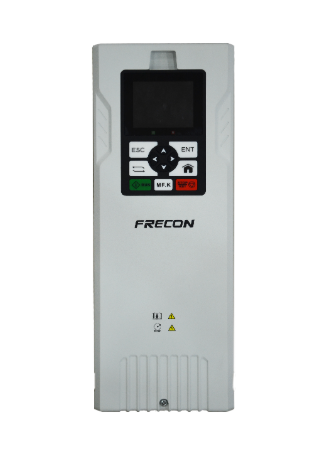
The FR30 Series High Performance Inverter is designed as a full-featured product for mid-to-high-end industrial applications. The series includes built-in VC, SVC, and VF control methods, supporting applications that require speed control accuracy, torque response speed, and low-frequency output performance.
This type of design shows how a frequency drive inverter can combine multiple control functions within one system. By integrating different control modes, the product can support equipment manufacturers that need flexible solutions for various industrial scenarios.
Evaluating the Future Direction of Inverter Technology
The movement from modular structures to integrated platforms is connected with wider changes in industrial equipment development. Manufacturers are looking for solutions that can simplify system design while maintaining suitable operation performance.
A multifunctional inverter represents this development direction by combining different functions into a unified platform. Users can review control requirements, installation conditions, and future expansion plans when considering integrated inverter structures.
At the same time, application analysis remains important. Integrated products still need to match motor types, operating environments, and control expectations. A clear evaluation process helps businesses create more suitable automation systems.
Integrated Development Creates New Possibilities for Industrial Control
We continue to improve our inverter products by combining technical experience with feedback from industrial applications. FRECON supports partners with inverter solutions that focus on practical functions, flexible configurations, and different equipment requirements.
The FR30 Series High Performance Inverter reflects this development approach by combining high power density design with multiple control functions. Its structure allows users to review performance needs and select configurations according to project conditions.
As industrial systems continue to develop, inverter selection will depend more on application requirements, control flexibility, and future expansion plans. The evolution from modular designs to integrated solutions provides businesses with new ways to plan automation systems and improve equipment development processes.