

Agricultural irrigation depends on stable water supply and suitable energy management. As solar power becomes more common in farming projects, users need to understand how different control technologies work together. The relationship between controllers and inverter hardware affects system design, motor operation, and daily pumping performance. Proper evaluation of energy sources and control methods also helps improve planning for different agricultural environments.
When comparing solar pumping equipment, it is important to look beyond individual components. A clear understanding of MPPT functions, power conversion, and input options helps project planners select systems that match their application conditions. A hybrid vfd solution can also be considered when projects require flexible power management and different operating modes.
The Roles of Different Solar Pump Components
Solar pumping systems usually include photovoltaic panels, motors, pumps, and power control equipment. Each part has a specific role during operation. Solar panels provide energy, while control devices help manage power delivery according to system requirements.
A controller mainly focuses on tracking solar power changes and adjusting output. Inverter hardware converts electrical energy into a form that motors can use. In some designs, these functions are combined into one device to simplify system structure.
For irrigation projects, the choice between separate control equipment and integrated solutions depends on factors such as motor type, installation environment, and energy availability. A suitable solar water pump inverter can combine power conversion and control functions for more flexible system planning.
How MPPT Technology Supports Solar Pump Operation
Solar energy output changes throughout the day because of weather conditions and sunlight intensity. MPPT technology helps track available photovoltaic power and adjusts the operating point to improve energy use during pumping processes.
An mppt solar pump controller works by monitoring solar input and matching power output with pump requirements. This process allows the system to respond to changing conditions without depending on battery storage in suitable applications.
Although controllers and inverters may have different structures, modern designs often integrate MPPT functions into inverter systems. This combination allows users to manage solar input and motor operation through a coordinated approach.
Factors for Selecting Suitable Solar Pump Hardware
Selecting equipment for a solar pumping project requires attention to several technical factors. Motor compatibility, power source conditions, water demand, and maintenance requirements all influence the final system design.
Some projects may need direct solar operation, while others require additional grid power support. A hybrid vfd structure can provide flexible energy management by supporting different power input methods based on application conditions.
System efficiency is also an important consideration. Users should review how equipment handles changing sunlight levels and how control functions respond during different operating periods. These details can influence long-term system management and maintenance planning.
The Application Features of PV600 Series Solar Pump Inverter
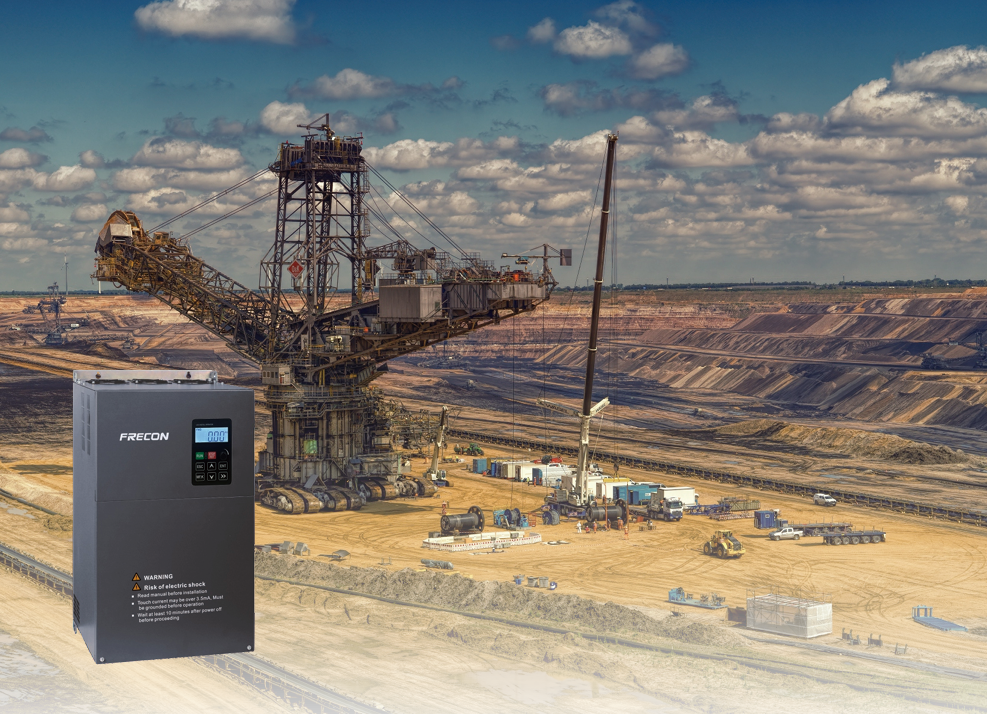
Based on different solar pumping requirements, we develop solutions that combine control functions with practical operating features. FRECON provides the PV600 Series Solar Pump Inverter for applications involving AM and PMSM motors.
The series uses advanced MPPT algorithms, with efficiency reaching 99%. It supports DC solar power and AC grid power input, allowing users to select suitable energy sources according to project conditions. The system can operate without a battery in applicable environments.
The PV600 Series also includes dormancy and wake-up functions. The inverter can enter dormancy mode and automatically wake up according to sunshine intensity. This design helps the system adjust operation based on daily solar changes.
Protection functions are included to support stable equipment operation. The system supports over-current, over-voltage, phase loss, short circuit, and over-temperature protection. These functions help users manage possible operating risks during different working conditions.
Comparing Integrated Designs with Traditional Control Methods
The main difference between separate controllers and integrated inverter hardware is the way functions are arranged. Traditional systems may use individual components for different tasks, while integrated designs combine several functions into one unit.
This development allows solar pumping systems to become more organized. When control, conversion, and protection functions are combined, installation planning can become easier for certain applications.
We focus on practical technology development for different industrial and agricultural scenarios. FRECON continues to improve inverter solutions based on application needs, helping partners evaluate suitable system structures for solar pumping projects.
Building Flexible Solutions for Future Irrigation Needs
Understanding the difference between controllers and inverter hardware helps users make clearer decisions during system planning. An mppt solar pump controller may focus on solar energy tracking, while integrated inverter products combine multiple functions to support complete pumping operations.
The selection process should consider project conditions rather than only individual device types. A hybrid vfd approach can also be reviewed when applications require coordination between renewable energy and other power sources.
Solar pumping technology continues to develop as agricultural users seek more flexible water management methods. By understanding control principles, energy input options, and equipment functions, businesses can create systems that fit their operational requirements while supporting more efficient irrigation planning.