

In solar power systems, choosing the right inverter is essential for ensuring a reliable and continuous energy supply. Many users wonder whether a grid tie inverter can function effectively in an off grid setting. While both serve the purpose of converting DC from solar panels into AC for use, their operational mechanisms are different. At FRECON, we focus on providing efficient solutions, such as the off grid inverter to ensure consistent energy performance even in remote or unstable regions.
Understanding the Difference Between Grid Tie and Off Grid Inverters
A grid tie inverter works in synchronization with the utility grid. It supplies energy to both the connected loads and the grid but depends on the grid for stable operation. When a power outage occurs, the grid tie inverter shuts down for safety reasons, which makes it unsuitable for areas without a reliable grid.
On the other hand, an inverter grid off system operates independently. It does not require a connection to the utility grid and can power homes, telecom sites, or industrial equipment using stored energy from batteries. The off grid inverter ensures an uninterrupted electricity supply, making it a preferred choice for regions where grid access is limited or unstable.
Why a Grid Tie Inverter Cannot Work Efficiently Off Grid
A grid tie inverter lacks the built-in features required to manage energy storage and power distribution without the grid. It depends on the grid to stabilize voltage and frequency. In the absence of this reference, it cannot maintain a consistent power output. Even with solar panels producing energy, the system will not function without grid synchronization.
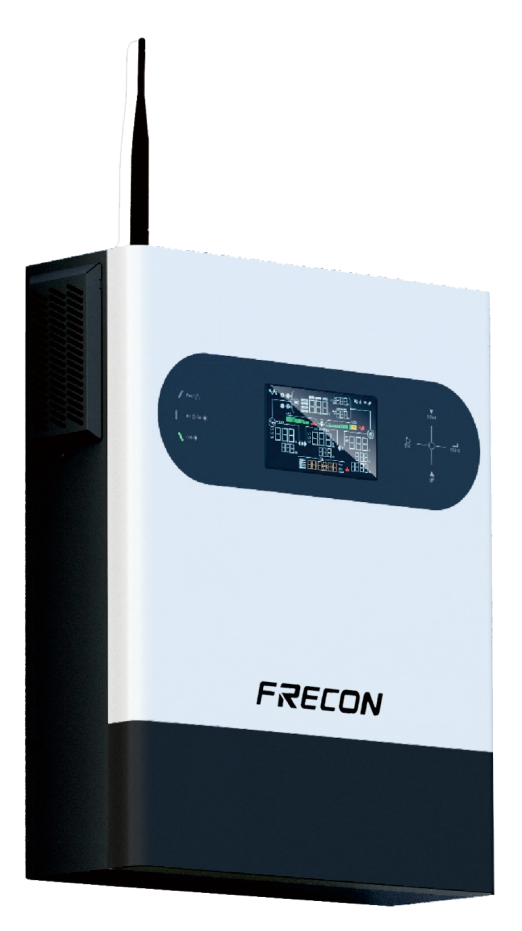
In contrast, FRECON's SP520 PLUS off grid inverter is designed for autonomous operation. It provides pure sine wave output, ensuring compatibility with sensitive electronic devices. This inverter grid off model includes an advanced MPPT controller to maximize solar energy harvesting and optimize battery charging, ensuring stable performance even under fluctuating sunlight conditions.
Key Features of FRECON SP520 PLUS
Our SP520 PLUS integrates several smart functions to enhance energy management:
High-efficiency MPPT controller: Tracks and adjusts the solar input for maximum energy conversion.
Flexible input prioritization: Users can set the system to prioritize solar, battery, or AC input based on usage needs.
Intelligent battery balancing: Extends battery lifespan by maintaining balanced charging across cells.
Pure sine wave output: Delivers stable and clean electricity suitable for household appliances, communication systems, and backup power.
These features make the SP520 PLUS a reliable inverter grid off solution for residential, telecom, and backup applications where independence from the utility grid is essential.
Choosing the Right Inverter for Your Application
When selecting between a grid tie inverter and an inverter grid off system, the key consideration is energy independence. If your operation requires a steady power source in remote areas or during outages, an off grid inverter like the FRECON SP520 PLUS is the practical choice. It ensures energy reliability, system flexibility, and long-term cost efficiency.
Conclusion
A grid tie inverter is not suitable for off grid use because it depends on the utility grid to function. For energy independence and stability, especially in areas with unreliable grid access, an off grid inverter is essential. At FRECON, we provide reliable and efficient inverter solutions such as the SP520 PLUS, designed to deliver consistent performance and intelligent energy management across diverse applications.