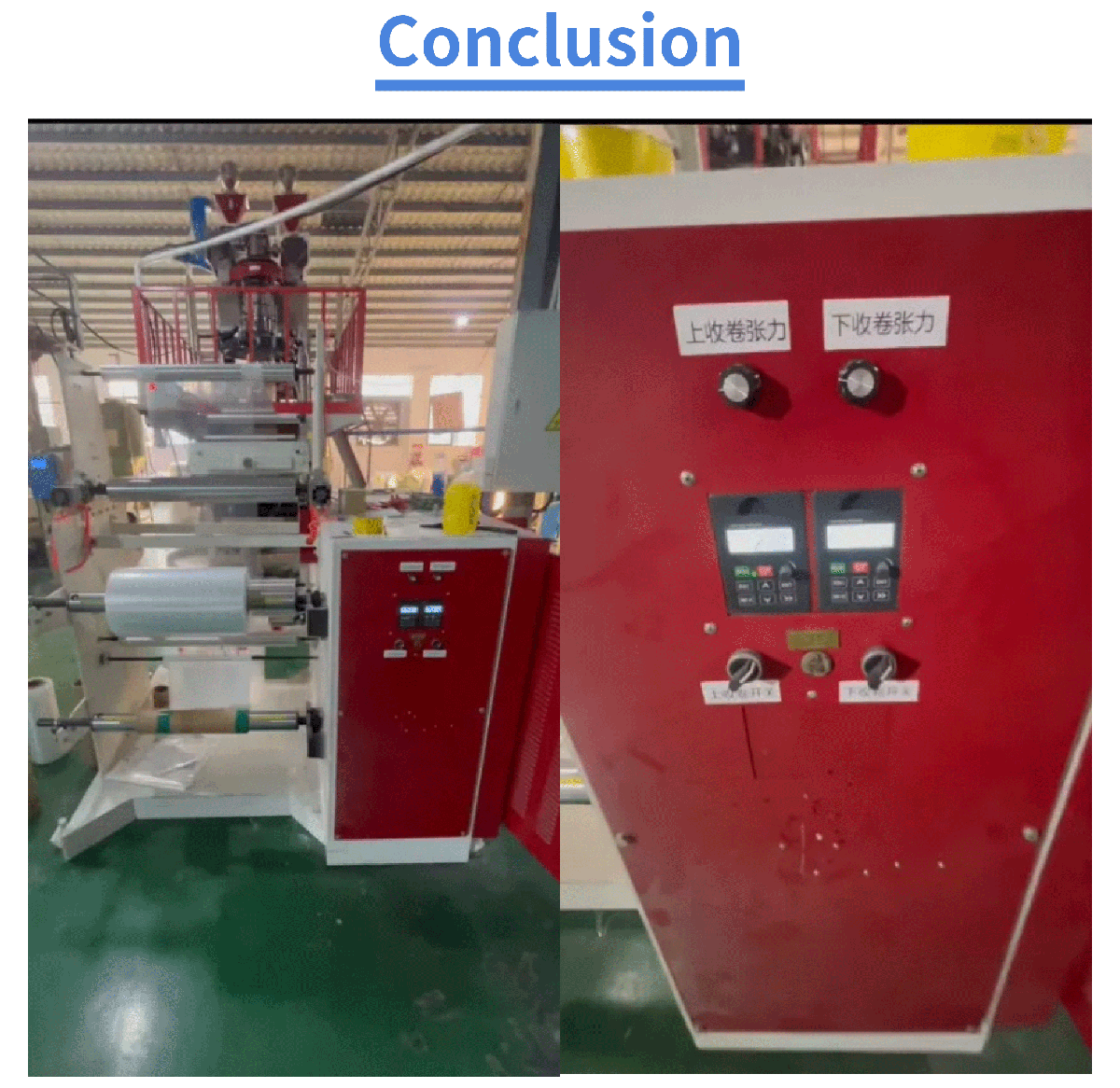

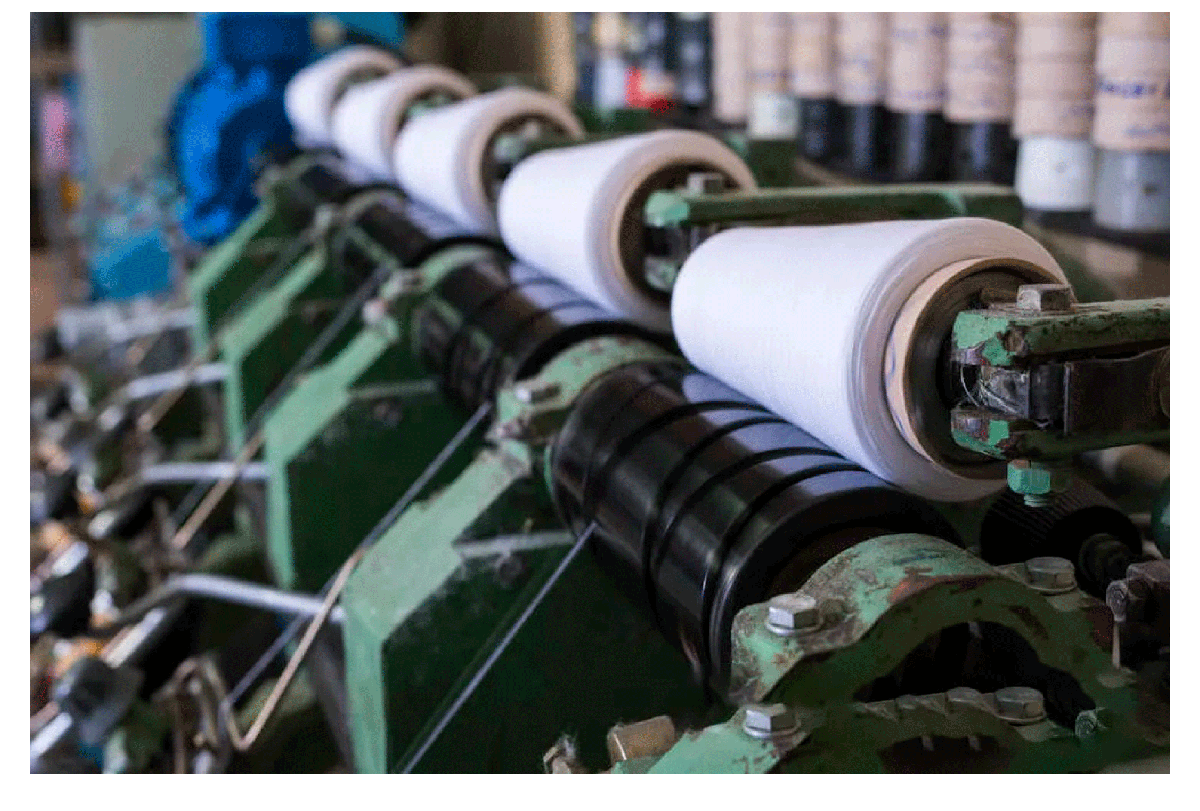
In industrial production, such as the winding process of materials like films, papers, and fabrics, constant tension and smooth operation are required. Traditional speed control methods struggle to handle the tension fluctuations caused by changes in roll diameter, leading to material stretching, wrinkling, or breakage. Torque winding directly controls the motor output torque through a inverter to achieve closed-loop or open-loop tension control, adapting to dynamic changes in roll diameter and ensuring stable winding quality. This solution is widely applied in industries such as packaging, printing, textiles, and wire and cable.

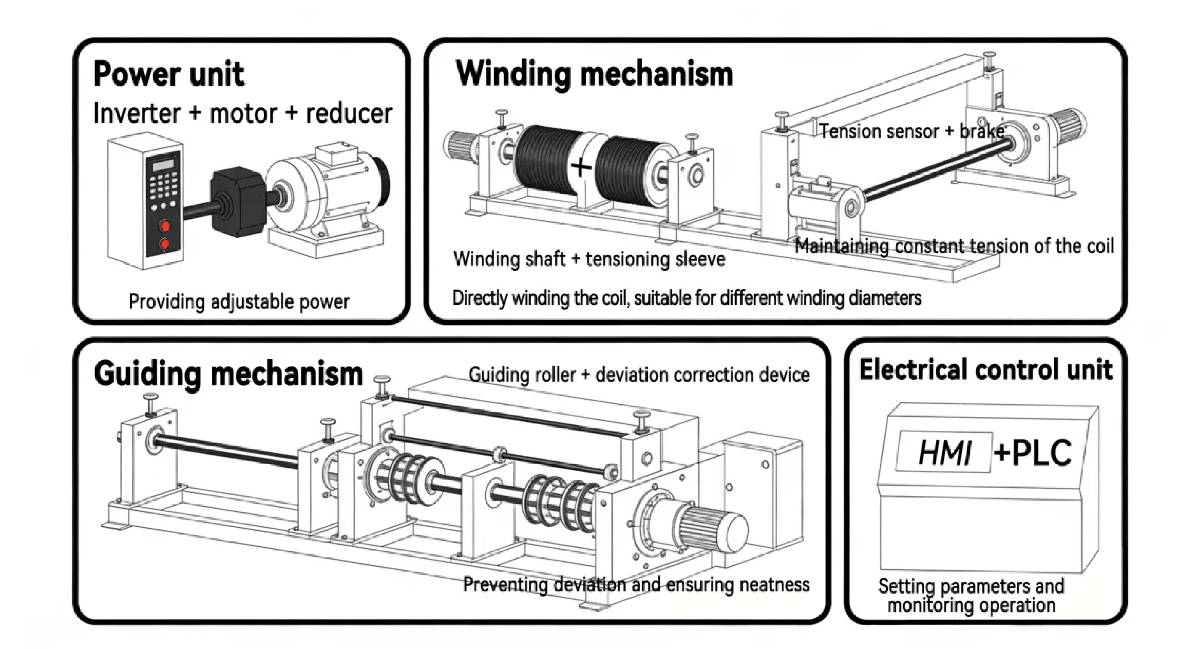
Power unit: inverter + motor + reducer, providing adjustable power
Winding mechanism: winding shaft + tensioning sleeve, directly winding the coil, suitable for different winding diameters
Tension system: tension sensor + brake, maintaining constant tension of the coil
Guiding mechanism: guiding roller + deviation correction device, preventing deviation and ensuring neatness
Electrical control unit: HMI + PLC, setting parameters and monitoring operation

The core logic: constant tension + variable speed winding (adapted to the change from small to large diameter of the roll)
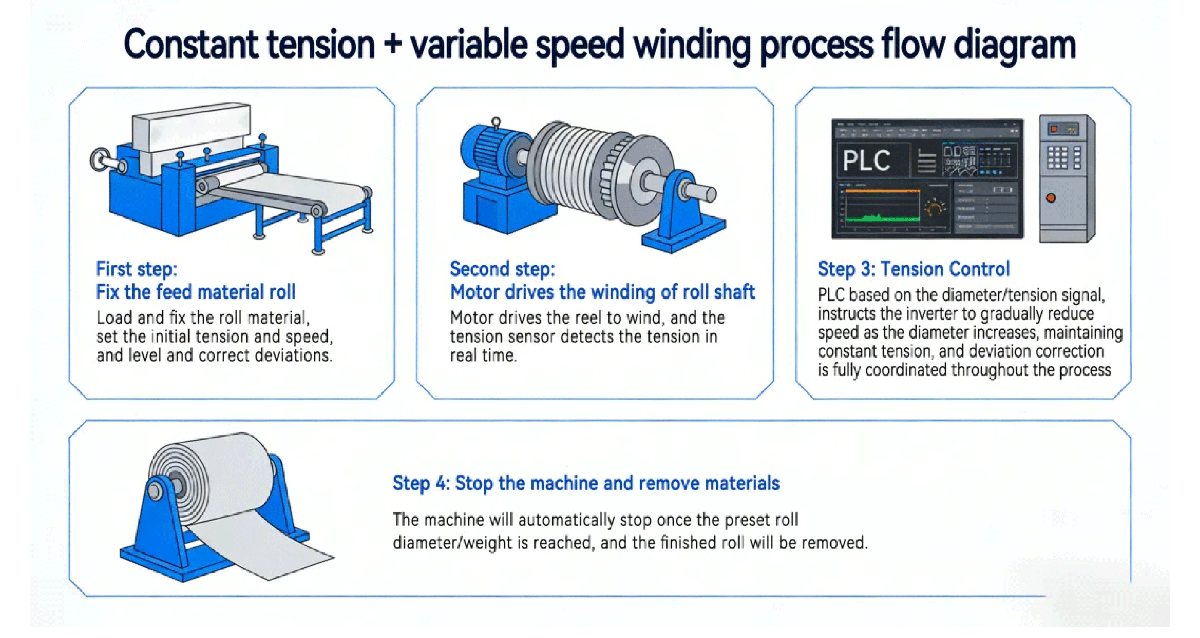
Fix the feed material roll, set the initial tension and speed, and adjust the level and deviation correction
The motor drives the winding of the roll shaft, and the tension sensor detects the pulling force in real time
The PLC, based on the diameter/tension signal, instructs the inverter to gradually
reduce the speed as the diameter increases, maintaining constant tension, and the deviation correction is fully coordinated throughout the process
When the preset diameter/weight is reached, the machine stops automatically, and the finished roll material is removed.

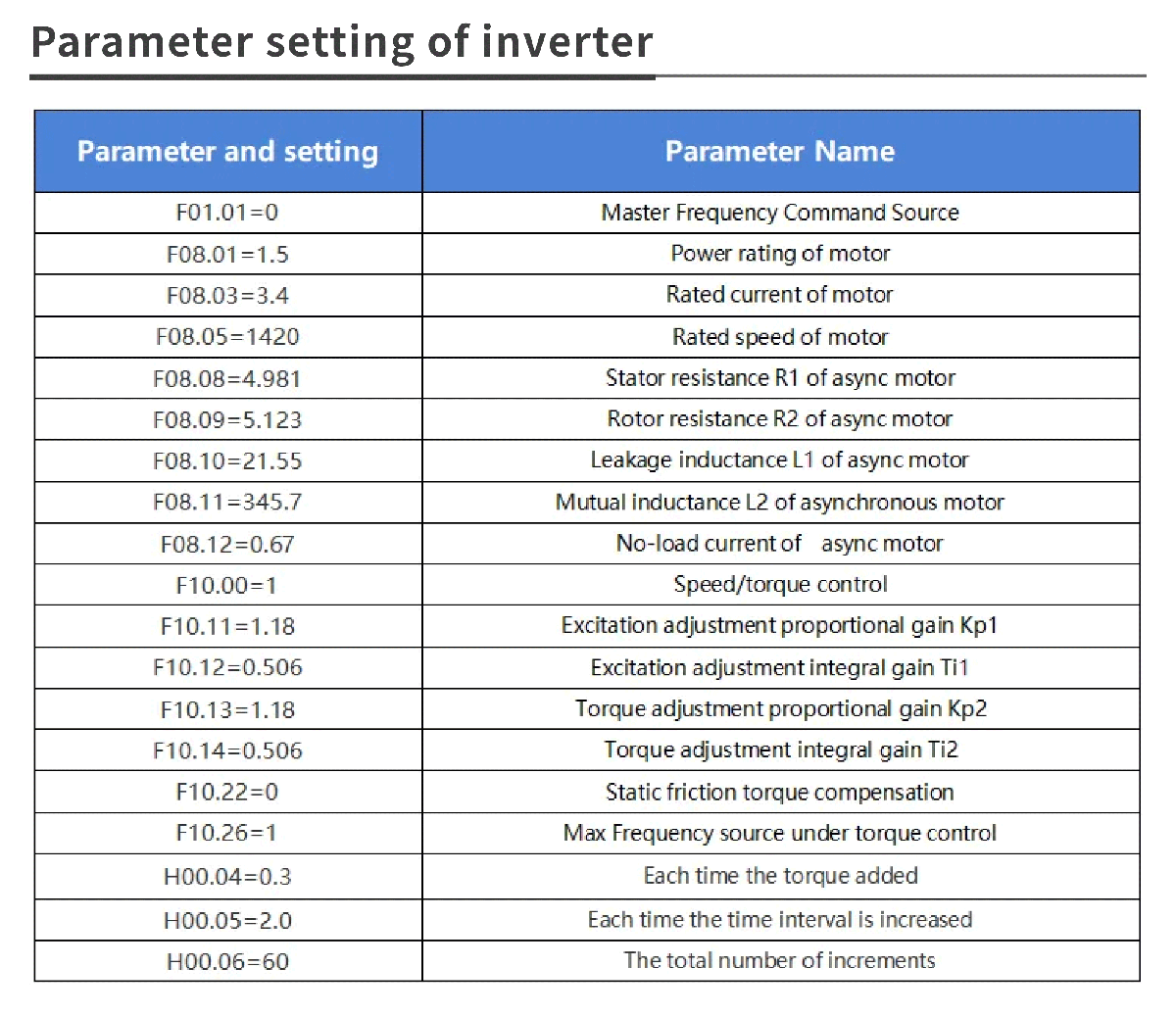
Mode: Open-loop torque control mode.
Process: The system does not require tension feedback signals. The operator sets the required tension, empty reel diameter and full reel diameter for the process on the human-machine interface.
Calculation: The inverter automatically adjusts the torque based on the running time or the diameter of the roll internally.
Output: The inverter automatically adjusts the output torque based on the calculated roll diameter, thereby compensating for the tension fluctuations caused by the change in roll diameter and achieving constant tension winding.