
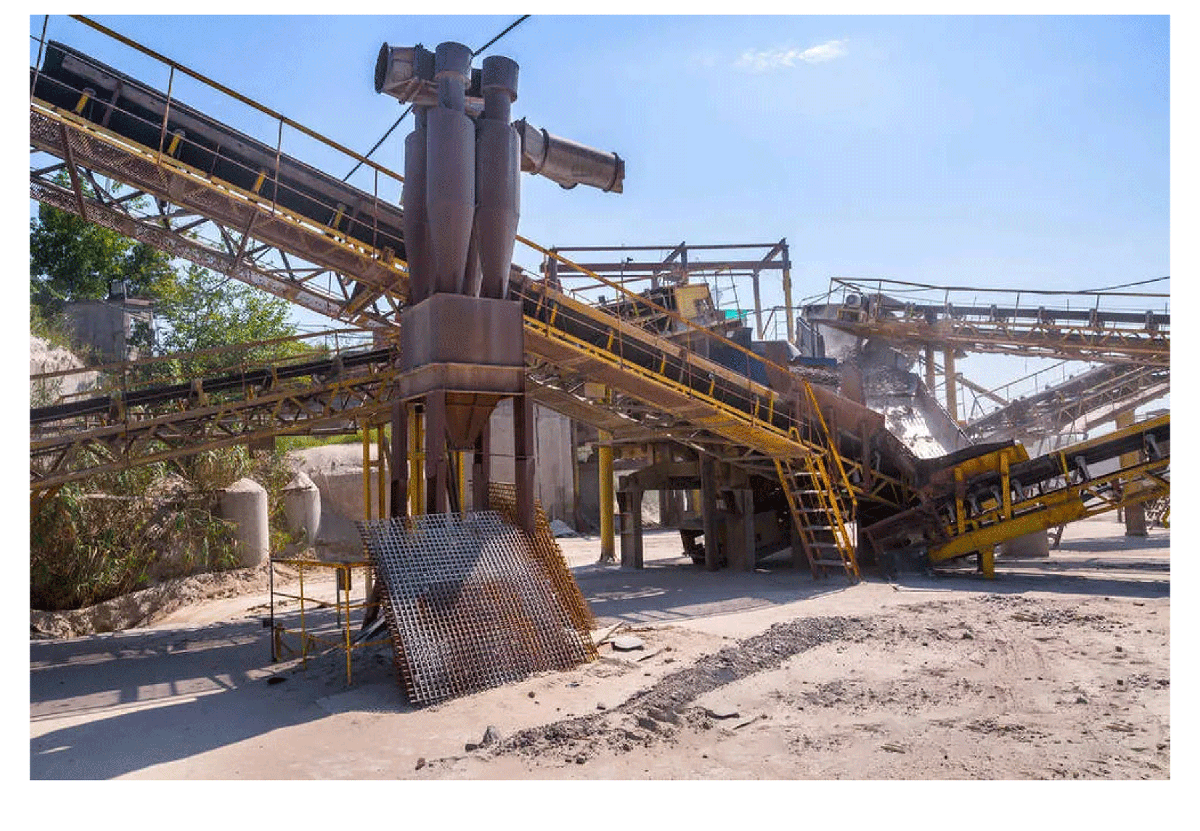
China's iron ore deposits are complex in type, with high levels of harmful components, a large proportion of associated minerals, and finely embedded useful components, making mining and beneficiation quite challenging. Air classifiers are widely used in metallurgical furnace material enterprises, effectively improving ore self-sufficiency and alleviating import dependence. Optimizing the separation process with new technologies enables the efficient utilization of mineral resources.
The winnowing crusher comprises five core components: the main unit, fan, separator, powder collector,and dust remover.The main unit serves as the central module, housing three distinct functional chambers internally: the crushing chamber responsible for material size reduction, the screening chamber for preliminary particle classification, and the fan chamber dedicated to pneumatic conveyance. These integrated subsystems operate synergistically to accomplish the complete powder production workflow.
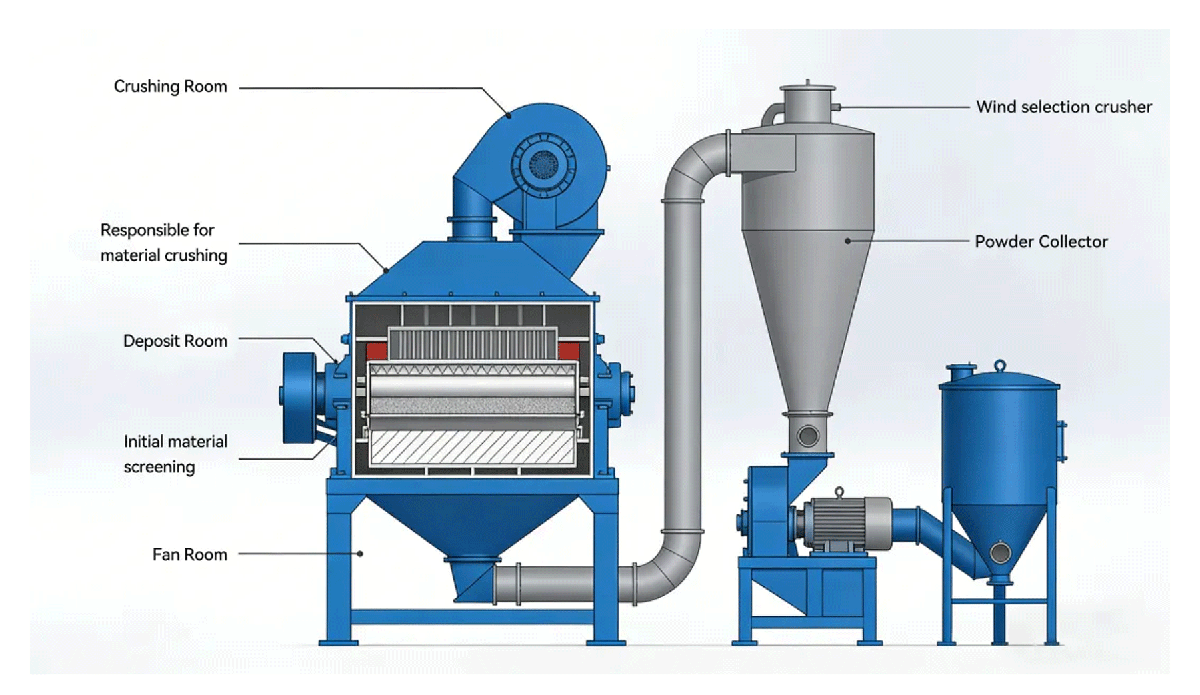

The material is introduced into the crushing chamber through the feed inlet, where comminution is accomplished by means of impact and shear forces between the rotor blades and the liner plate of the housing. After primary crushing, the material undergoes classification in the screen barrier chamber before entering the fan chamber. It is then conveyed by the blower wheel and drawn by the fan's suction into the separator for secondary classification. Coarse particles are returned to the crushing chamber via the reflux nozzle for re-crushing, while the finished product is conveyed by the induced draft fan into the powder collector for bagging. Residual air after treatment is discharged through a dust removal and air dispersion system in compliance with emissions tandards
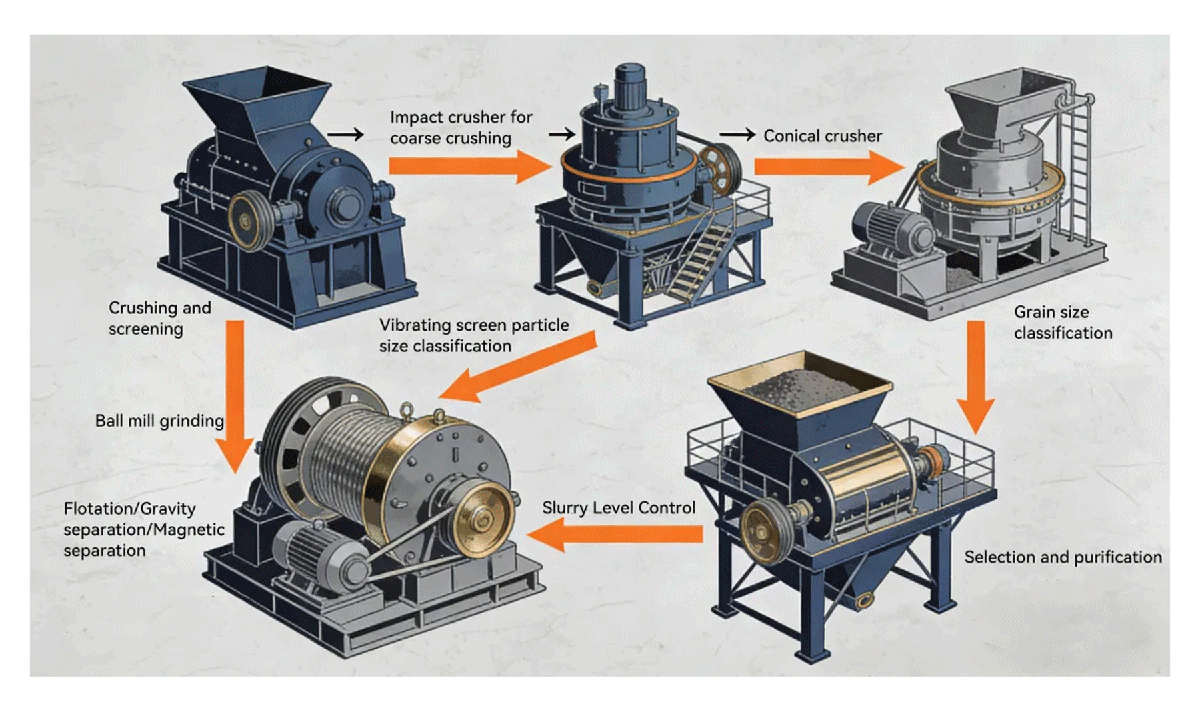
Most ore processing plants use a three-stage crushing process to process iron ore. Metallurgical furnace material companies add a roller press and roller mill process on this basis, which is then connected to the air classification workshop.The core equipment within the air classification facility comprises a multi-stage, series-connected dispersing air classifier (centrifugal impact crusher for material cake dispersion) and a high-capacity system fan. Following classification, the material is separated into three fractions: coarse, medium, and fine particles, with the coarse fraction being returned for reprocessing. The classified ore is then subjected to magnetic and wet separation processes, ultimately yielding a high-grade concentrate. In this circuit, the system fan plays a critical role in ensuring the efficient operation of the beneficiation process.

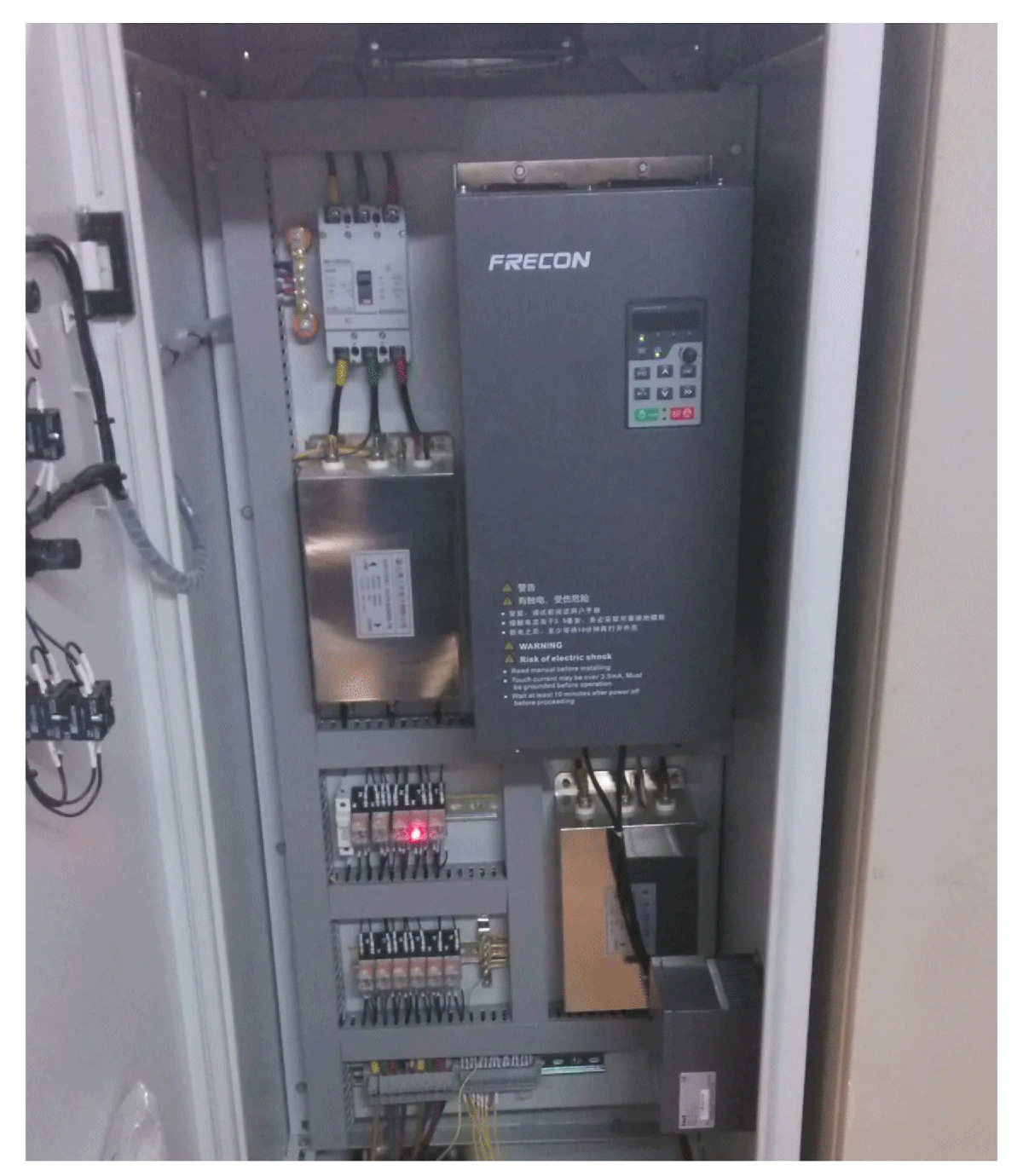
Given the critical importance of equipment, extensive deliberations were conducted. The client ultimately selected the FR600 medium-voltage frequency converter for the variable-frequency drive (VFD) retrofitting of the system's air-screening pulverizer. The detailed retrofit plan is described below. The system schematic diagram is presented as follows:
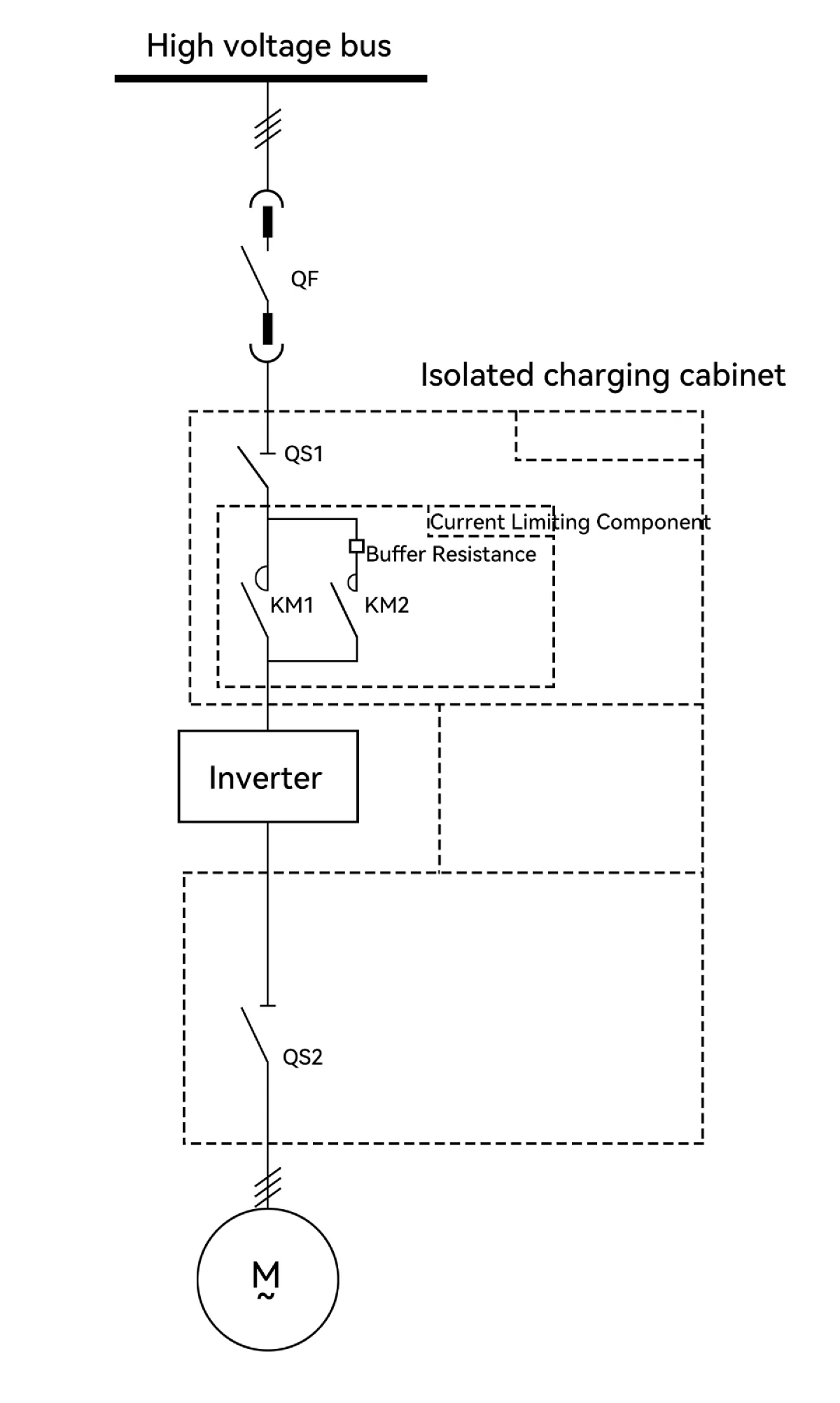

Given the limited on-site grid capacity and the high power rating of the motor, a charging resistor is incorporated into the main circuit to mitigate inrush current during energization and control the voltage drop across the bus.
The main circuit employs a vacuum contactor that automatically switches after the charging process is completed, aligning with the inherently safe design philosophy of the FR600 medium-voltage frequency converter. Moreover, leveraging the comprehensive input/output interfaces of the FR600, the system supports control and monitoring of the high-voltage frequency converter via both the local control cabinet and the Distributed Control System (DCS), thereby ensuring stable and reliable operational management.
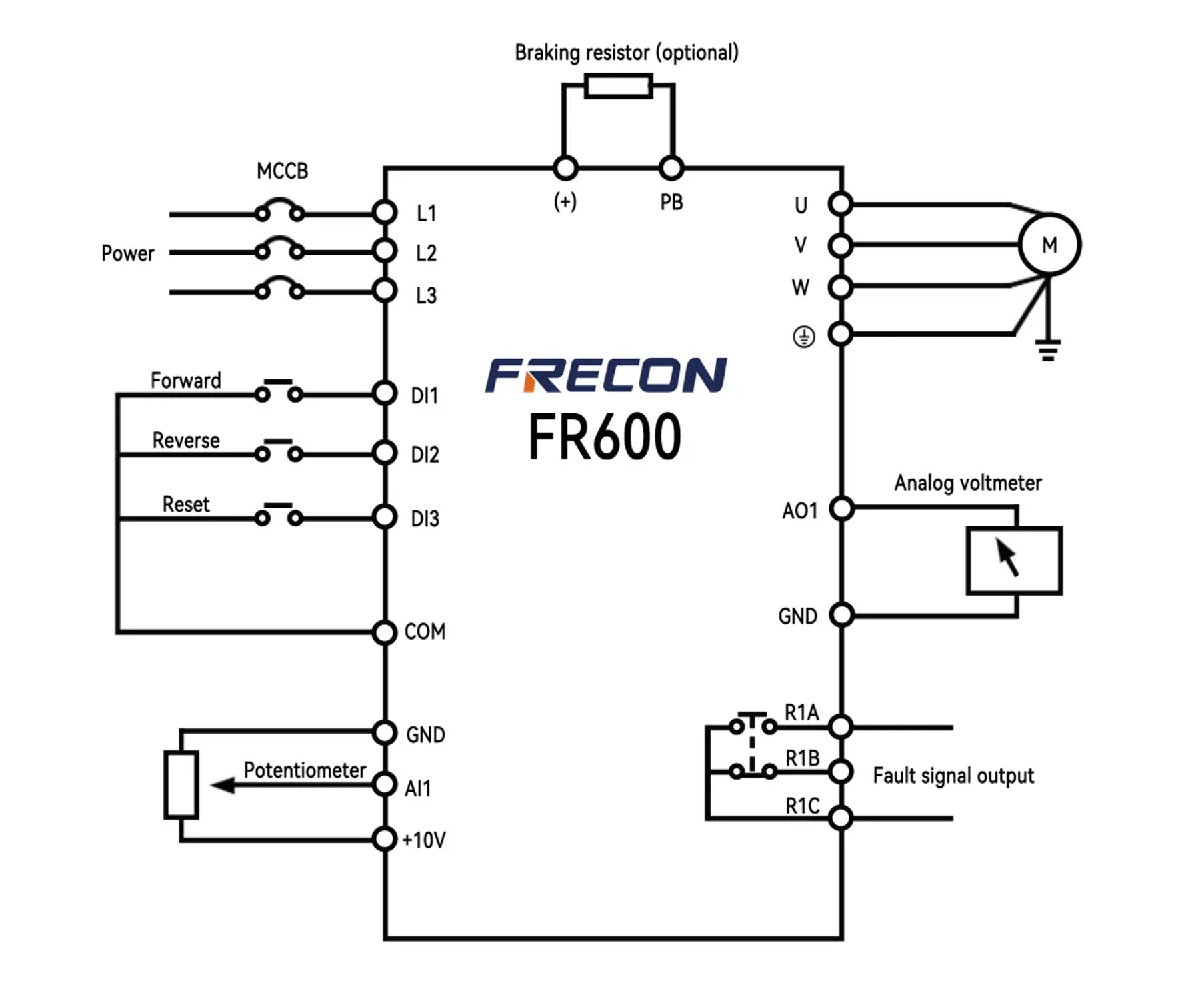

In conclusion, FR600 medium voltage frequency converter from FRECON has become the preferred solution for the air separation workshop in the mineral processing plant due to its high adaptability and stable operation performance. I
t precisely meets the core transmission requirements of the air separation fan, effectively addressing the pain points of traditional equipment such as large start-stop impact and insufficient wind speed control accuracy. It helps enterprises improve the efficiency and accuracy of air separation, earning wide recognition in the industry.