
Solar pumping systems are used in irrigation, agricultural water supply, and remote water projects where stable operation is important. During installation, commissioning helps verify whether the inverter, motor, and power source work together correctly. A clear testing process for a solar pumping inverter allows project teams to review system settings, identify possible issues, and prepare for long-term operation.
For companies involved in solar water projects, commissioning is not only a startup step. It also includes parameter adjustment, safety checks, and performance evaluation. Understanding these standards helps users select suitable equipment and create practical operation plans for different applications.
Key Requirements Before Commissioning
Before starting commissioning, technicians usually review the complete system design. Pump power, motor type, water demand, solar conditions, and installation environment should be checked first. These factors influence inverter settings and determine whether the system can meet the expected operation requirements.
For projects working with a solar pump inverter manufacturer, technical communication before installation is important. Suppliers and project teams need to confirm application details, including pump specifications and power input methods. This preparation helps reduce adjustment time during onsite commissioning.
Electrical connections are another key area for inspection. Technicians need to check wiring, voltage range, grounding conditions, and communication settings. These steps help confirm that each component is connected correctly before the system begins operation.
Protection functions should also be reviewed during commissioning. Features such as dry run protection and water level control are related to daily system management. Proper testing allows users to understand how the inverter responds under different operating conditions.
Checking Control Functions and Motor Compatibility
After basic inspection, commissioning focuses on inverter parameters and motor operation. Different pumps may require different settings based on their structure and working conditions. Matching the inverter with the motor type helps improve control accuracy during operation.
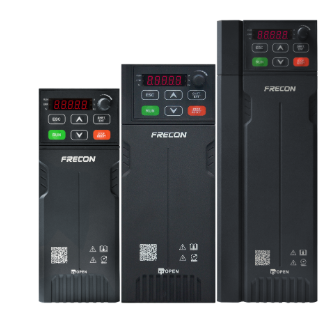
The PV01 Series Solar Pump Inverter is designed for solar pumping applications. It is applicable to AM and PMSM motors and uses advanced MPPT algorithms. The efficiency reaches 99%, helping the system manage solar input effectively during different sunlight conditions.
The series supports hybrid power supply functions, including DC solar power and AC grid power input with automatic DC/AC switching. This design allows users to review different energy sources during testing and adjust settings according to project requirements.
For systems using a solar pumping inverter, commissioning teams should also check output response, operation frequency, and pump performance. These checks provide useful information for evaluating whether the system matches the water supply target.
Testing Hybrid Operation and Protection Settings
Hybrid systems require additional testing because they may use more than one power source. During commissioning, technicians need to confirm switching logic between solar energy and grid power. They also need to check whether the system responds correctly when input conditions change.
A hybrid solar pump inverter can support projects that require flexible power management. During the testing stage, users should review power transition performance, control signals, and operating status. These steps help create a clearer understanding of system behavior.
Water level control is another important testing point. The inverter should be checked for tank water level control and dry run protection functions. These settings help the pumping system adjust according to actual water conditions.
We develop inverter solutions based on practical application needs. FRECON provides the PV01 Series with functions such as dormancy and wake-up control. The inverter can enter dormancy mode and automatically wake up according to sunshine intensity, supporting different solar operating environments.
Reviewing Operation After System Startup
Commissioning does not end after the first successful startup. After the system begins running, users should continue reviewing operation data, water output, and protection records. Regular observation helps identify whether parameter adjustments are needed.
For businesses choosing a solar pump inverter manufacturer, technical support and product communication are also important factors during project planning. Understanding system functions and maintenance requirements helps partners organize installation and future service work.
FRECON focuses on inverter development with OBM and ODM capabilities. We combine product design, application experience, and technical support to provide solutions for different solar pumping projects. Our approach is based on practical requirements from various application environments.
The performance of a hybrid solar pump inverter depends on correct installation, suitable settings, and regular system checks. A complete commissioning process helps users understand equipment operation and improve project management.
Creating Practical Standards for Future Projects
Commissioning standards provide a clear method for evaluating solar pumping systems before regular use. From electrical inspection to control testing, each step contributes to safer and more organized operation. A detailed process also helps project teams manage maintenance requirements more effectively.
As solar water applications continue to expand, users need solutions that match different environmental and operational conditions. By focusing on system compatibility, control functions, and testing procedures, businesses can make better decisions for future projects. FRECON continues to support solar pumping applications through practical inverter solutions and technical experience. Proper commissioning creates a foundation for stable solar pumping performance.