
Solar pump systems are widely used in irrigation, agriculture, and outdoor water supply projects. For buyers, checking inverter quality before cooperation helps understand product performance, production control, and application suitability. A factory inspection inside a solar inverter factory is not only about checking the finished product but also reviewing manufacturing processes, testing methods, and technical support.
For companies sourcing solar pumping solutions, a clear inspection process can help compare suppliers more effectively. By reviewing key factors such as electrical performance, safety design, and production management, buyers can make more practical decisions for different projects.
Key Points in the Factory Inspection Process
Factory inspections usually start with production management and quality control procedures. Buyers can review how components are handled, how assembly is completed, and how finished products are tested before shipment.
A qualified production process should include clear inspection records and testing steps. These records help buyers understand whether the manufacturer follows stable procedures during different production stages.
When evaluating a supplier, it is useful to focus on both hardware and management systems. The inspection process should cover product structure, performance verification, and communication methods for future cooperation.
Performance Factors During Inverter Testing
The performance test is an important part of inverter inspection. Engineers usually check power conversion efficiency, motor compatibility, and operating stability under different conditions.
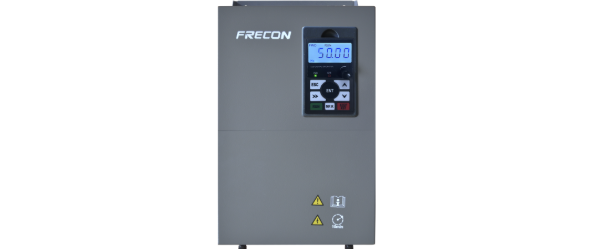
The PV380 Series Solar pump inverter is developed for solar pumping applications. It supports AM and PMSM motors and uses advanced MPPT algorithms, with efficiency reaching 99%. The series supports solar power DC, power grid AC input, and DC/AC automatic switching.
During inspection of a solar pump inverter manufacturer, buyers can review whether product functions match project requirements. Operating temperature, protection level, and installation conditions are important factors for outdoor applications.
The PV380 series supports an operating temperature range of 10 to 60°C and uses an IP65 design for outdoor installation. These specifications allow users to evaluate whether the product is suitable for different working environments.
Safety Design and Remote Operation Review
Safety functions should also be included in the inspection checklist. Inverter systems need protection features that support stable operation during changes in voltage, current, and environmental conditions.
The PV380 series includes protection functions such as over-current, over-voltage, phase loss, short circuit, and over-temperature protection. It also has a built-in anti-reverse diode to help prevent current flow from the AC/DC bus to PV modules.
Remote management is another factor for modern solar projects. The series supports optional 4G WiFi modules, allowing users to monitor operation through APP and WEB platforms. The inverter can enter dormancy mode and wake automatically according to sunshine intensity.
Production Capability and Technical Support
Beyond product testing, buyers can also review the supplier’s production capability and technical communication process. A complete evaluation includes manufacturing experience, quality management, and support during project development.
With an OBM-focused business model and ODM capabilities, FRECON develops inverter solutions based on different application requirements. We focus on combining product development with manufacturing support to help partners understand suitable configurations.
When visiting or reviewing a solar inverter factory, buyers can check production equipment, testing areas, and quality management procedures. These details provide a clearer view of how products are prepared for different market applications.
Application Matching Before Final Selection
A factory inspection should connect product functions with actual usage conditions. Solar pumping projects may have different requirements depending on water demand, installation location, and available power sources.
For remote areas, automatic operation and monitoring functions may support easier system management. For outdoor projects, protection design and temperature adaptability are also important points during evaluation.
The PV380 series solar pump inverter provides functions designed around these needs. It offers larger water yield under the same condition and supports automatic switching between solar power and grid power, helping users review system planning more clearly.
Supplier Communication and Inspection Records
Clear communication is necessary throughout the purchasing process. Buyers can discuss technical documents, product requirements, and testing information with suppliers before confirming cooperation.
For companies comparing a frecon solar pump inverter, inspection records can help review product details and application suitability. A detailed discussion with suppliers also allows buyers to understand customization possibilities and future service arrangements.
A complete inspection report should include product specifications, testing results, and important technical notes. These records support smoother communication between manufacturers, distributors, and project teams.
Building a Practical Evaluation Approach
Selecting a solar pump inverter involves more than checking individual functions. A complete evaluation should include factory management, product performance, safety features, and long-term cooperation requirements.
FRECON continues to support partners through product development and manufacturing services. We combine OBM experience with ODM capabilities to provide solar inverter solutions for different project conditions.
From production inspection to application planning, a structured review process helps businesses understand product value and supplier capability. Careful evaluation allows partners to build clearer cooperation plans and prepare suitable solutions for future solar pumping projects.