
Power interruptions can influence daily activities, home offices, and essential electrical equipment. For households using solar energy systems, backup planning requires more than installing batteries. The inverter also plays an important role in managing energy conversion, power sources, and system operation.
Understanding whether an inverter upgrade can reduce the impact of blackouts helps users make practical decisions. A suitable compact solar inverter can provide flexible installation options while supporting solar energy management based on different household requirements.
Why Inverter Selection Matters During Power Interruptions
Blackouts may happen because of grid maintenance, extreme weather, or temporary power supply issues. While an inverter upgrade cannot completely remove the possibility of outages, it can improve how a solar system manages available energy during these situations.
The inverter connects solar panels, batteries, and household loads. Its functions influence how energy is stored, converted, and delivered. Therefore, users should review system compatibility instead of focusing only on rated power when choosing equipment.
Energy consumption habits are also important during system planning. Homes with different appliances and usage schedules may require different backup strategies. Reviewing load conditions before upgrading helps create a more suitable configuration.
We develop inverter solutions based on practical application needs, focusing on energy conversion, system flexibility, and user operation experience. Our approach combines product development with ODM cooperation to support different market requirements.
Important Features for Better Backup Management
Modern solar systems often include multiple energy sources. Users may need to switch between grid power, solar input, and battery storage according to availability. Flexible control functions can make daily operation easier.
A solar inverter for home backup should provide clear energy management options. Features such as source priority settings, monitoring functions, and battery compatibility allow users to understand system performance and adjust operation methods.
Solar input conditions can also affect system efficiency. A wider PV voltage range gives installers more flexibility when designing solar connections for different environments. This helps create systems that match project conditions more effectively.
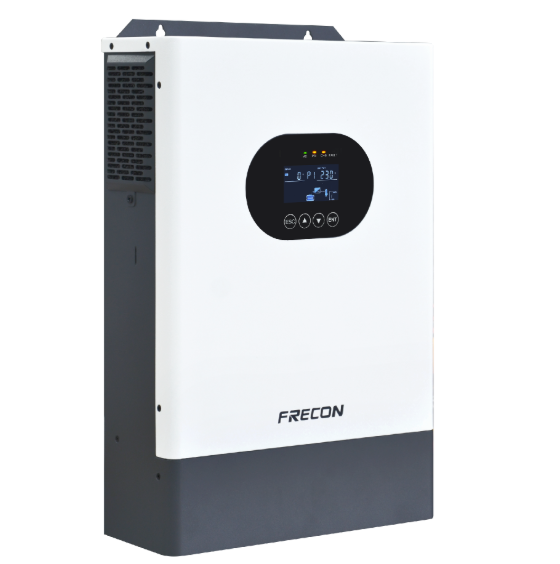
The SP100 Solar Hybrid Inverter includes functions designed for various solar applications. It supports PV feed in to grid, but this function depends on local policies and regulations. The built-in WIFI module allows mobile APP monitoring for easier system information access.
The product also supports lithium battery activation function and configurable priority between grid and PV. It can operate without a battery in suitable situations, providing additional flexibility for different system designs.
Evaluating System Design Before an Upgrade
Choosing an inverter upgrade requires reviewing the complete power system. Battery capacity, solar panel arrangement, installation space, and household loads all influence the final result. A single component change may not solve every power management challenge.
For systems requiring stable electrical output, waveform quality is another factor to consider. A pure sine wave off-grid inverter is designed to provide stable power characteristics for equipment that has higher requirements for electrical output quality.
Users should also check whether the inverter supports their expected operation mode. Off-grid systems, hybrid systems, and backup systems may have different configuration requirements. Understanding these differences helps avoid unsuitable equipment choices.
We provide products with flexible configurations for residential and commercial applications. FRECON focuses on combining inverter technology with practical functions, helping partners evaluate solutions based on real project conditions rather than simple product specifications.
How Monitoring and Flexibility Improve Daily Use
Power management does not end after installation. Long-term operation requires users to understand system status and maintain suitable settings. Monitoring functions can provide useful information about energy production, consumption, and equipment operation.
The SP100 series includes mobile monitoring support through its built-in WIFI module. This function allows users to review system information through connected devices, helping them understand changes in daily operation.
Battery support is another consideration for future expansion. As energy needs change, users may want to adjust storage solutions or improve backup capability. Compatible inverter functions can provide more options during system upgrades.
FRECON continues to improve inverter designs by considering application feedback and market requirements. The focus is placed on practical performance, product adaptability, and cooperation with partners in different regions.
Creating a More Reliable Energy Plan
Upgrading an inverter can improve solar system flexibility, but blackout protection depends on the complete setup. Solar panels, batteries, loads, and installation planning all influence backup performance.
A suitable solar inverter for home backup helps users organize energy use more effectively. By reviewing technical features and actual application needs, households can select equipment that matches their power requirements.
The SP100 Solar Hybrid Inverter provides functions such as solar connection support, monitoring options, and flexible energy priority settings. With careful system planning, inverter upgrades can become part of a practical approach to improving home energy management.
FRECON works with customers and partners to provide inverter solutions for different solar applications. Through understanding system conditions and user needs, we help create energy solutions that support more organized and efficient power management.